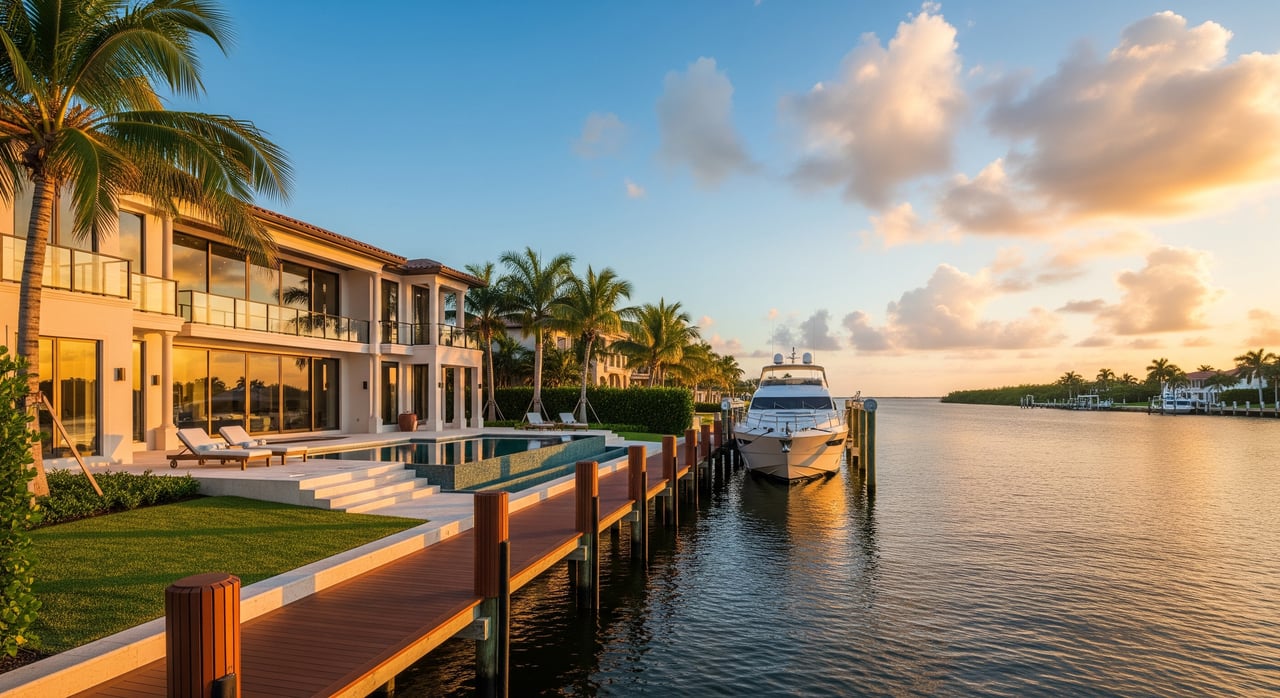
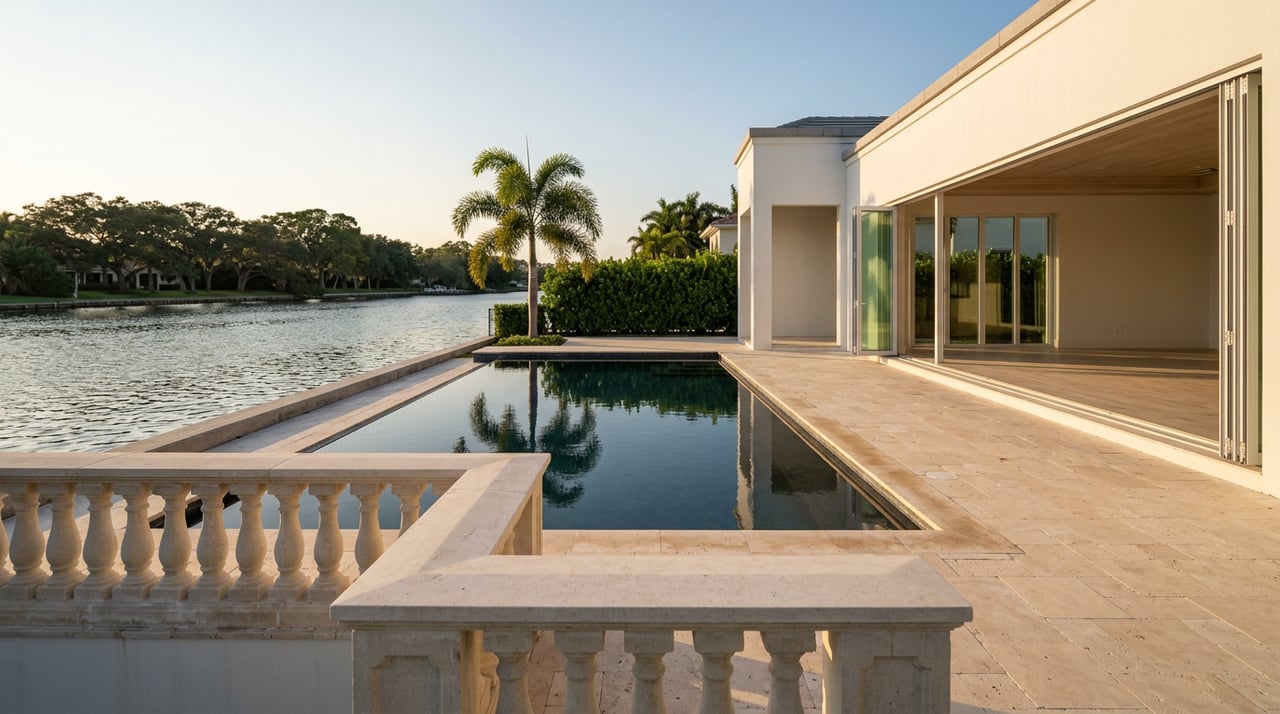
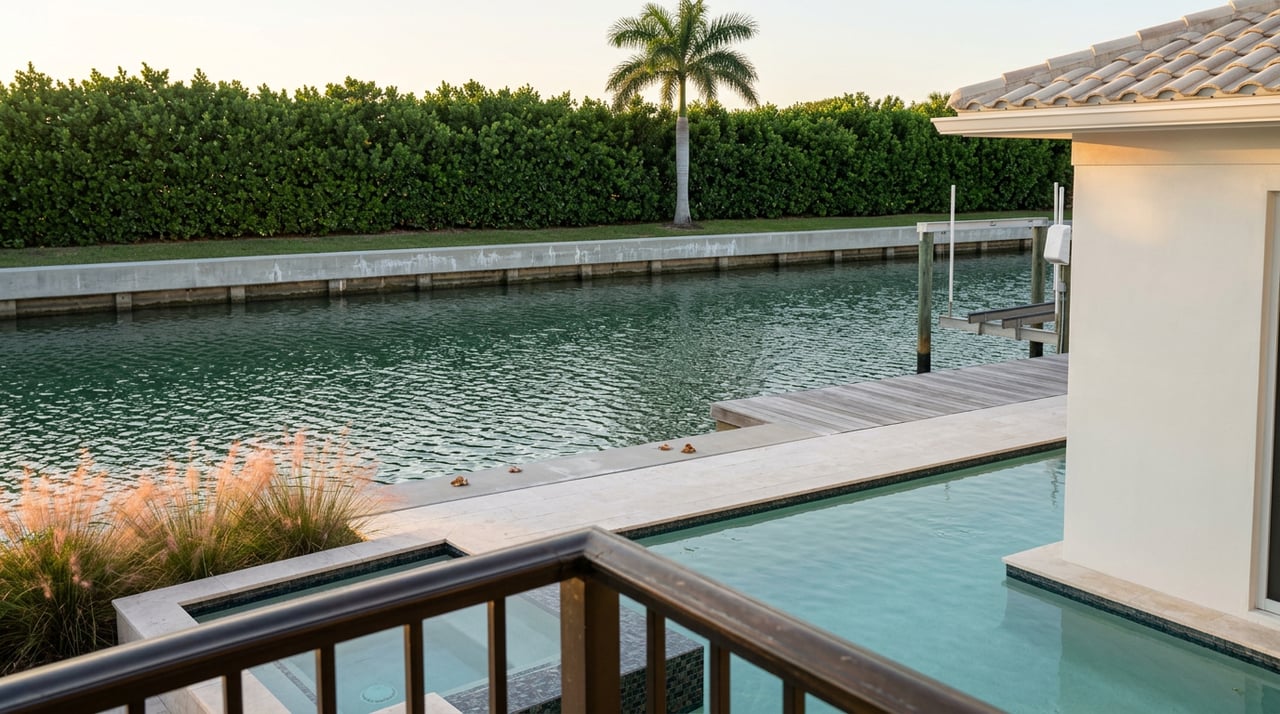
Considering a Port Royal waterfront estate in 34102? Before you fall in love with the view, make sure the site, seawall, dock, and timelines stand up to real‑world scrutiny. You want the dream and the data so your offer is strong and protected. This checklist gives you a clear framework to evaluate value, risk, and feasibility in Port Royal and Aqualane Shores. Let’s dive in.
Market snapshot for Port Royal and Aqualane Shores
Port Royal is Naples’ premier ultra‑luxury waterfront enclave, with large estate lots, private docks, and prices often in the multi‑million to multi‑tens‑of‑millions range. Aqualane Shores shares many coastal traits but includes some smaller lots and varied street patterns. Buyers here are often domestic and international high‑net‑worth individuals, sometimes paying cash or using jumbo financing. That means timelines, confidentiality, and custom deal terms matter.
Zoning and property rights basics
Before assuming you can renovate or rebuild, verify the parcel’s zoning, setbacks, and lot coverage through Collier County zoning and permitting. On the water, confirm riparian and shoreline rights. In Florida, certain submerged lands are state sovereignty lands, and docks or seawalls can require state leases or permits. Review shoreline and sovereignty questions with the Florida Department of Environmental Protection and your counsel.
Flood and storm exposure
These coastal estates face hurricane wind and surge risk. FEMA flood zones such as AE or VE affect insurance, lending, and construction requirements. Ask for a recent survey, elevation certificate, and base flood elevation data. You can preview maps at the FEMA Flood Map Service Center. For water level context and tidal datums, consult NOAA Tides & Currents.
Permitting environment and timelines
Coastal work touches multiple agencies. Seawalls and docks often fall under Collier County building permits, state coastal permits, and federal jurisdiction for navigable waters. Expect layered reviews with the U.S. Army Corps of Engineers regulatory program and Florida DEP. Projects that impact mangroves or require mitigation can extend timelines.
Seawalls and docks: what to verify
Waterfront value depends on the stability and usability of your shoreline. The condition and permitting status of the seawall and dock can change your purchase math.
Seawall red flags
- Signs of movement or failure: settlement, leaning, cracked cap, or loss of bulkhead face.
- Tieback corrosion or distress, especially in older systems.
- Toe erosion or scouring at the waterline.
- Patchwork repairs without clear engineering or permits.
Different materials have different expected service lives and maintenance needs. Only a qualified marine or coastal engineer can estimate remaining life and replacement approach. Guidance documents from UF/IFAS EDIS and Florida Sea Grant can help you discuss best practices with your engineer.
Dock and boatlift due diligence
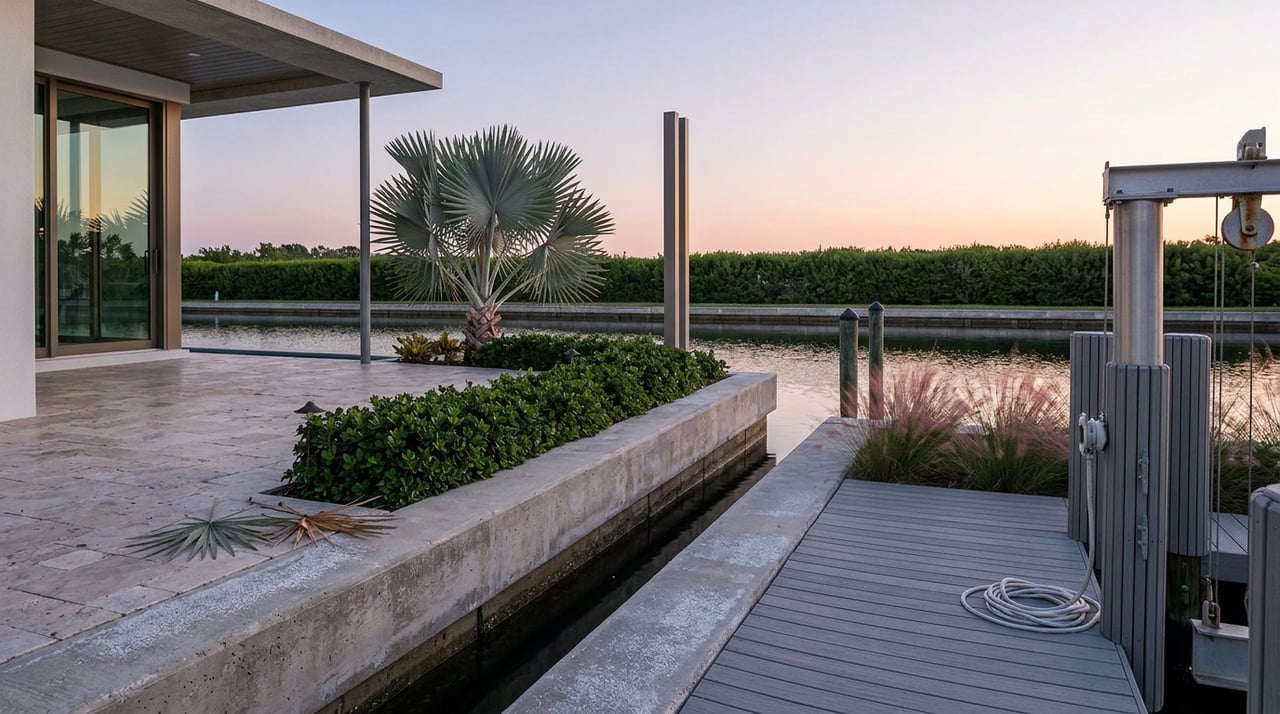
- Structure: assess pilings for marine borer damage, framing, decking, and fasteners.
- Mechanicals: inspect lifts, motors, controls, electrical systems, and fuel lines.
- Fit for your boat: confirm beam, draft, and water depth are compatible with typical tide levels.
- Permits: verify the dock and lift were permitted and are compliant. Some older docks may be grandfathered, which can limit future expansion.
Permit checks and timelines
- Confirm whether planned repairs or expansions will need county, state, and federal approvals.
- Ask specifically about mangrove trimming or removal constraints; mitigation can add cost and time.
- Expect simple repairs to move faster, while full replacements or expansions often require months. Complex projects can take 6 to 12 or more months for permits.
Request these documents before you offer
- As‑built drawings and engineering reports for the seawall and dock.
- Date of last major repairs with invoices and permits.
- Survey showing mean high‑water line, bulkhead location, and any easements.
- Marine engineer condition assessment with replacement estimate.
- Owner’s manuals and maintenance records for lifts and electrical.
Lot orientation and privacy essentials
Not all waterfront is equal. Look past the postcard view and focus on how the lot will live year‑round.
View corridors and boat traffic
Unobstructed views to Naples Bay or the Gulf drive value. Check the setbacks and potential building envelopes on neighboring lots to anticipate future changes. A vacant lot nearby could be built taller within code. Also assess boat traffic lines that may affect privacy and noise. Visit during daytime and early evening to gauge peak boating activity.
Sun, wind, and microclimate
- Sun: south‑facing spaces can enjoy more winter light, while west‑facing lots capture sunsets but may have more late‑day heat and glare.
- Wind: seasonal breezes improve outdoor comfort but increase salt exposure to facades and landscape. Consider how orientation influences outdoor rooms, shading, and glazing choices. Local wind and water data from NOAA Tides & Currents can support planning with your design team.
Landscaping, buffers, and privacy rules
Mature vegetation and setbacks shape privacy. Coastal vegetation, including mangroves, is regulated. You may not be able to trim or remove buffers for views or privacy if rules prohibit it. Build your design strategy around what is allowed rather than assuming you can clear and replant.
Lot shape, grade, and drainage
- Width at the waterline and inland buildable area determine where a larger home can sit within setbacks.
- Low grades may require elevated foundations and careful stormwater design.
- The seawall’s alignment can limit dock width and waterside amenities.
Gather a recent ALTA/Boundary survey, any available elevation certificate, and utility information. Review neighboring permits or recorded plans to anticipate future view changes. You can also verify taxes and parcel data with the Collier County Property Appraiser.
Renovation or teardown: decide with a framework
Big decisions deserve a simple model. Compare a renovation path to a teardown and new build using total costs, timeline, and potential resale value.
Include the full cost stack
- Acquisition price.
- Renovation scenario: hard construction, MEP upgrades, finishes; seawall and dock work; soft costs for design, engineering, permits; carrying costs; and a healthy contingency.
- Teardown and new build: demolition; new construction hard costs; expanded soft costs including coastal engineering and impact fees; seawall and dock to current code; carrying costs and contingency.
Value and break‑even checks
- Estimate After‑Repair Value for both outcomes using local comps adjusted for waterfront length, view quality, square footage, and lot size.
- Compare ARV minus total costs to your target return.
- Run base, conservative, and aggressive scenarios. Stress‑test by adding 15 to 25 percent to major cost lines and reducing ARV by 10 to 15 percent to see if the deal still works.
Decision triggers beyond cost
- Structural fundamentals: if the foundation or framing needs major reconfiguration, rebuilding often wins.
- Architectural character or site limits: if the existing home has significance or code restricts a new footprint, renovation may be better.
- Time priorities: renovations can be faster than new builds, but unknowns can add surprises. Align the path with your timeline.
- Tax and permitting: demolition and rebuild can affect assessments differently. Consult local experts and the Collier County Property Appraiser.
Pre‑offer protections and timelines
Protect your leverage by putting the right deliverables and contingencies in place before you sign.
Key documents to secure
- Recent ALTA/Boundary survey and, if available, an elevation certificate.
- Title report and recorded covenants, easements, and any shoreline or road maintenance districts.
- Prior permit history for seawall and dock and any violation records.
- Current tax bill and assessments.
Smart contingencies to include
- A due‑diligence period long enough for specialist inspections.
- Financing or proof‑of‑funds steps aligned with high‑end appraisals if you plan to finance.
- Insurance contingency, including premium caps for wind and flood.
- Survey and title objection windows.
- Permit feasibility contingency for known coastal items.
- Access for contractor walk‑throughs and any needed invasive testing.
Realistic timelines to expect
- Closing: 30 to 45 days for clean cash deals; 45 to 60 days for bespoke documentation or financing.
- Specialist inspections: 7 to 21 days depending on schedules.
- Seawall and dock permits: from weeks for simple repairs to 6 to 12 or more months for complex work with state leases or mitigation.
- Renovation permits and construction: 6 to 18 months for renovations; 12 to 30 or more months for a custom new build.
- Insurance: quotes can take days to weeks; large coastal estates may require broker negotiation and layered coverage.
Your expert team for coastal success
- Real estate attorney experienced in Florida coastal transactions.
- Coastal or marine engineer for seawall and dock assessment.
- Structural engineer and architect familiar with Collier County coastal code and hurricane‑resistant design.
- High‑end builder for preliminary budgets.
- Marine contractor for dock and seawall estimates.
- Licensed surveyor for an updated ALTA/Boundary survey.
- Insurance broker specializing in coastal wind and flood coverage.
- Title company experienced with riparian and sovereignty land issues.
- Local permitting consultant or land‑use attorney for state and federal permits.
Avoid these common pitfalls
- Relying on seller statements about seawall or dock condition without an engineer’s report.
- Underestimating permit complexity, especially around mangrove rules and shoreline hardening.
- Skipping a permit and violation search for existing waterfront structures.
- Ignoring insurance availability and deductibles that change your carrying costs.
- Assuming neighboring lots will stay low; always check recorded plans and recent permits.
How to use this checklist
- Start with site viability: flood zone, survey, seawall and dock condition, and permit history.
- Pressure‑test the lot for your lifestyle: sun, wind, boat traffic, and privacy.
- Run renovation and rebuild scenarios with total costs and ARV.
- Set the right contract protections and timeline for your goals.
- Line up your team early to shorten the path to certainty.
When you approach a Port Royal or Aqualane Shores estate with this plan, you protect your time and capital while gaining confidence in the outcome. If you want a discreet, data‑driven partner to coordinate inspections, permits, and strategy from offer to close, connect with Cheena Chandra for tailored guidance.
FAQs
What should I evaluate first on a Port Royal waterfront estate?
- Begin with site risk and feasibility: flood zone and elevation, seawall and dock condition, permit history, and a recent survey to confirm setbacks and waterline.
How do I verify seawall and dock permits in Collier County?
How do FEMA flood zones affect insurance and building?
- Flood zones such as AE or VE impact insurance requirements and construction elevations. Review your address in the FEMA Flood Map Service Center and share the elevation certificate with your insurer and design team.
What is a realistic timeline to replace a seawall or dock?
- Simple repairs may permit faster, but replacements or expansions often take months. Projects with mangrove impacts or state leases can require 6 to 12 or more months just for permits with DEP and the Corps.
How can I factor tides and water levels into dock planning?
- Use local tidal datums and water level trends from NOAA Tides & Currents to confirm draft and lift heights with your marine engineer and contractor.